
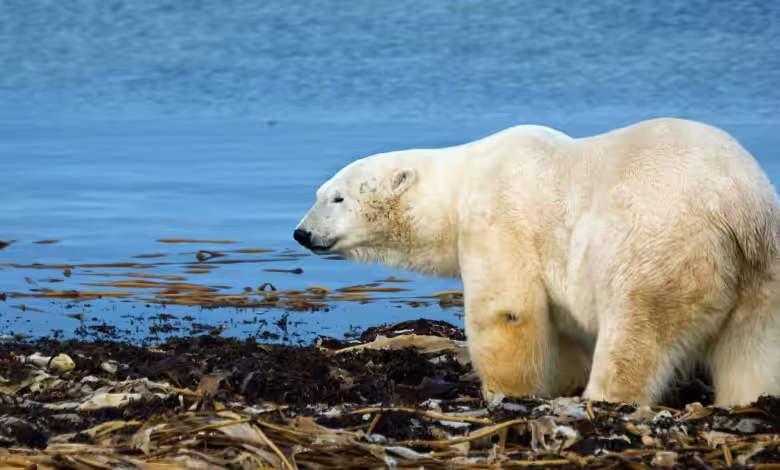
Climate Change: Everything You Need To Know
Climate change is one of the most significant challenges facing the world today. Rising global temperatures, more frequent extreme weather events, melting glaciers, and rising sea levels are affecting ecosystems, economies, and communities across the globe. While climate change has occurred naturally throughout Earth’s history, the rapid changes observed over the past century are primarily driven by human activities, particularly the burning of fossil fuels.
Understanding climate change is essential for everyone, as its impacts affect our health, food security, water resources, biodiversity, and future generations.
What Is Climate Change?
Climate change refers to long-term changes in Earth’s average weather patterns, including temperature, rainfall, wind, and seasonal cycles. Although climate naturally varies over time, scientists have found that human activities have significantly accelerated global warming since the Industrial Revolution.
The main driver is the increase in greenhouse gases such as carbon dioxide (CO₂), methane (CH₄), and nitrous oxide (N₂O), which trap heat in the atmosphere and warm the planet.
What Causes Climate Change?
Several human activities contribute to climate change, including:
1. Burning Fossil Fuels
Coal, oil, and natural gas are burned to generate electricity, power vehicles, and fuel industries. This releases large amounts of carbon dioxide into the atmosphere.
2. Deforestation
Forests absorb carbon dioxide from the atmosphere. When trees are cut down or burned, stored carbon is released while the Earth’s ability to absorb future emissions decreases.
3. Agriculture
Livestock produce methane, while fertilizers release nitrous oxide—both powerful greenhouse gases that contribute to warming.
4. Industrial Activities
Manufacturing processes, cement production, and chemical industries also release greenhouse gases into the atmosphere.
Evidence That Climate Change Is Happening
Scientists have collected extensive evidence showing that the Earth’s climate is changing. Some of the most noticeable signs include:
- Rising global temperatures.
- More frequent and intense heatwaves.
- Melting glaciers and polar ice sheets.
- Rising sea levels.
- More severe droughts and floods.
- Stronger tropical storms and hurricanes.
- Increased frequency of wildfires.
- Shifting ecosystems and wildlife habitats.
How Climate Change Affects People
Climate change affects nearly every aspect of daily life.
Food Security
Changing rainfall patterns, droughts, and extreme temperatures reduce crop yields and threaten global food supplies.
Water Resources
Many regions experience water shortages due to prolonged droughts, while others face destructive flooding.
Human Health
Higher temperatures increase heat-related illnesses, worsen air quality, and expand the spread of certain diseases carried by insects such as mosquitoes.
Economic Impact
Natural disasters damage infrastructure, disrupt businesses, and increase the cost of recovery and insurance.
Biodiversity
Many plants and animals struggle to adapt to rapidly changing environments, increasing the risk of extinction.
Climate Change in Africa
Africa is among the regions most vulnerable to climate change despite contributing relatively little to global greenhouse gas emissions. Many African countries experience:
- More frequent droughts.
- Reduced agricultural productivity.
- Water scarcity.
- Increased flooding.
- Threats to food security.
- Greater pressure on public health systems.
Communities that depend heavily on farming and natural resources are particularly vulnerable.
What Can Be Done?
Addressing climate change requires action from governments, businesses, communities, and individuals.
Governments
- Invest in renewable energy.
- Strengthen climate policies.
- Protect forests and natural ecosystems.
- Support climate adaptation projects.
Businesses
- Improve energy efficiency.
- Reduce carbon emissions.
- Invest in sustainable technologies.
- Develop environmentally friendly products.
Individuals
Everyone can contribute by:
- Conserving electricity.
- Using public transport, cycling, or walking where possible.
- Reducing waste and recycling.
- Planting trees.
- Supporting renewable energy.
- Conserving water.
- Making sustainable purchasing decisions.
The Role of Renewable Energy
Renewable energy sources such as solar, wind, hydroelectric, and geothermal power produce electricity with far lower greenhouse gas emissions than fossil fuels. As technology improves, renewable energy is becoming more affordable and accessible worldwide.
Transitioning to clean energy is considered one of the most effective ways to reduce future climate change.
Why Climate Action Matters
Taking action today can help limit future warming, protect ecosystems, improve public health, create green jobs, and strengthen economies. Many countries have committed to reducing emissions through international agreements such as the Paris Agreement, aiming to limit global warming while adapting to climate impacts already underway.
Final Thoughts
Climate change is a global challenge that requires collective action. While its impacts are already being felt around the world, there are practical solutions that can reduce emissions and build more resilient communities. By understanding the causes, consequences, and available solutions, individuals and organizations can play an important role in creating a more sustainable future for generations to come.
Take a look at other available opportunities:
- Internships
- Learnerships
- Apprenticeships
- Career Development
- Funding
- Online Courses
- Graduate Programmes
- How To
Looking for another opportunity?
Search Youth Opportunities Hub for jobs, bursaries, internships, learnerships, scholarships and more.

